Accueil scientifique – Bienvenue à Natalia Ribas-Mateos !
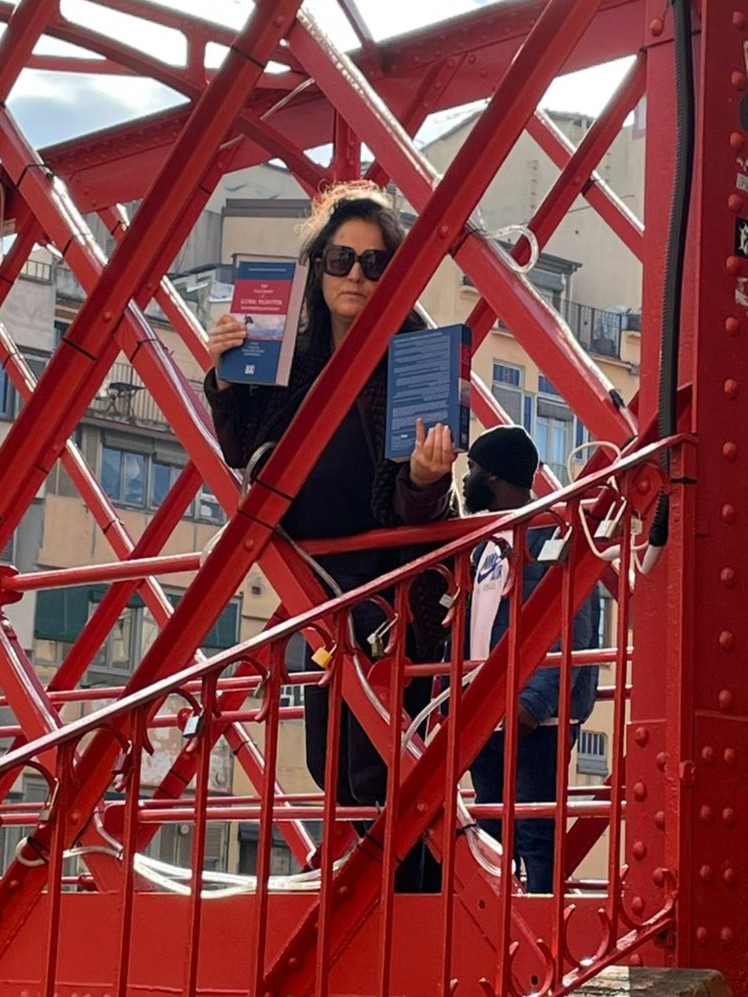
Le MESOPOLHIS a le plaisir d’accueillir Natalia Ribas-Mateos du 1er mars au 10 avril 2026.
Natalia Ribas-Mateos est chercheuse à l’Universitat autònoma de Barcelona (UAB), au sein du groupe de recherche TRANSMENA. Elle prépare une HDR (habilitation à la direction de recherches) avec la professeure Adelina Miranda (Université de Poitiers, Migrinter) intitulée A Sociology of Crosslocations.
Ses principaux domaines de recherche sont la Méditerranée, l’Europe du Sud, le Maroc, le « Levant » et la frontière entre le Mexique et les États-Unis. Elle a publié neuf ouvrages en tant qu’autrice unique. Pour la liste complète de ses travaux, voir : Natalia Ribas-Mateos (0000-0003-1106-4467) (orcid.org)
Son séjour au MESOPOLHIS consiste notamment à traduire en français certaines parties de son HDR. Lié au domaine de recherche de l’axe 2 « Migration, mobilité, circulation », son projet est soutenu au sein du laboratoire par : Constance de Gourcy, Sylvie Chiousse, Sofia Laiz, Lina Benchekor et Anne Tricot.
Un mois avant sa soutenance HDR, Natalia Ribas-Mateos organisera une soutenance publique blanche au MESOPOLHIS (date à venir).
[English] Natalia Ribas-Mateos is a researcher at the Universitat autònoma de Barcelona (UAB) – TRANSMENA research group. She is preparing a HDR (habilitation à la direction de recherches) with professor Adelina Miranda (University of Poitiers) with the title A Sociology of Crosslocations.
Her main research areas include the Mediterranean, Southern Europe, Morocco, the « Levant » and the Mexico-US border. She is lone author of nine books as a single author. For a for a full list of works see: Natalia Ribas-Mateos (0000-0003-1106-4467) (orcid.org)
Her project at MESOPOLHIS involves a translation of selected parts of her HDR into French. Her work is related to research area 2 « Migration, mobility, circulation ». Her project is supported at MESOPOLHIS by: Constance de Gourcy, Sylvie Chiousse, Sofia Laiz, Lina Benchekor et Anne Tricot.
One month before her HDR viva, Natalia Ribas-Mateos will hold a public viva rehearsal at MESOPOLHIS (date to be confirmed).
🔎 Titre et table des matières de son projet de recherche :
A Sociology of Crosslocations
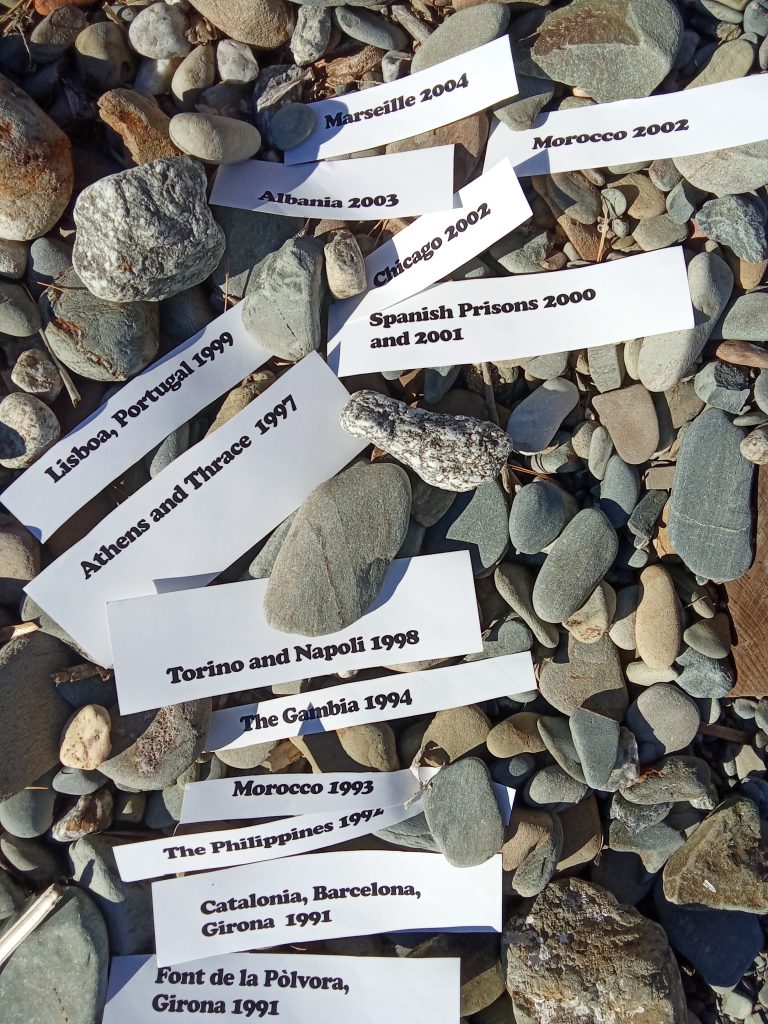
PART 1. CONTEXT – 1. Locating the five pillars. 2. On grounded ethnography. 3. Periods, intervals, trajectories. 4. Genealogies and structures.
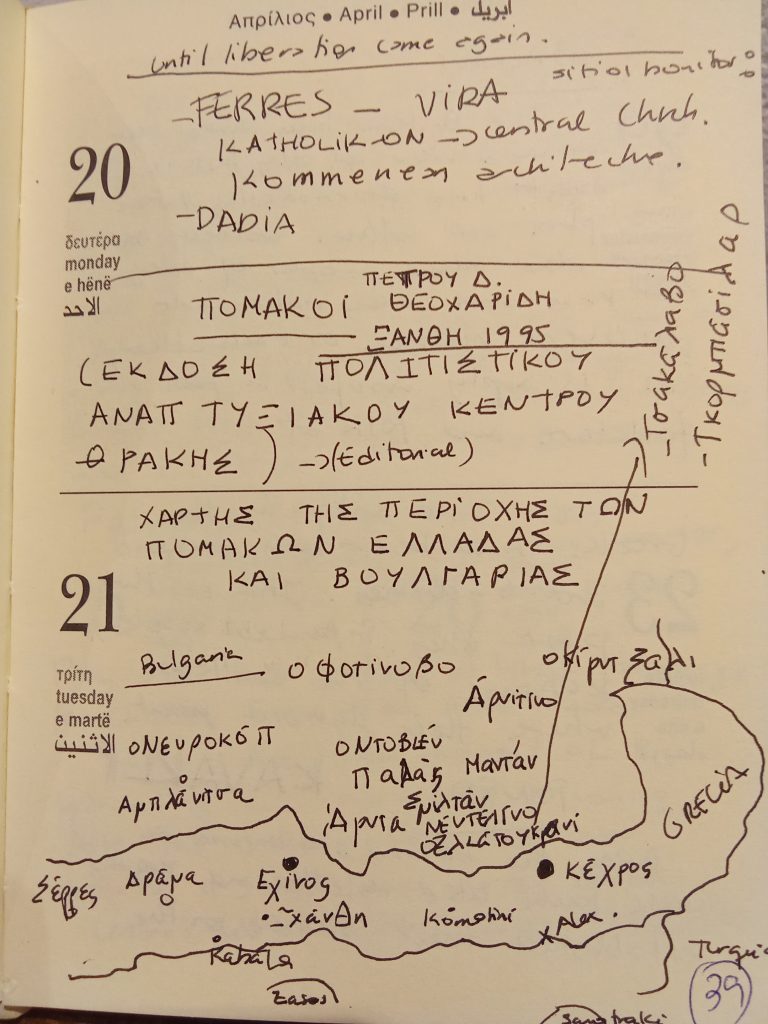
PART 2. THEMES – 5. On Cartography. 6. Gendering. 7. The concept of Multiple Presence. 8. The Iconic Filipino case9. Conditions of Mobility. Teenagers as an Illustration.
PART 3. THE GLOBE – 10. A mapping of global circuits.
PART 4. REGIONS – 11. The Mediterranean Paradox after Marseille. 12. A focus on Southern Europe after Napoli. 13. “El Río Bravo Mediterrráneo”. 14. The Middle East as a Region. 15. West Africa revisited (1994- 2025).
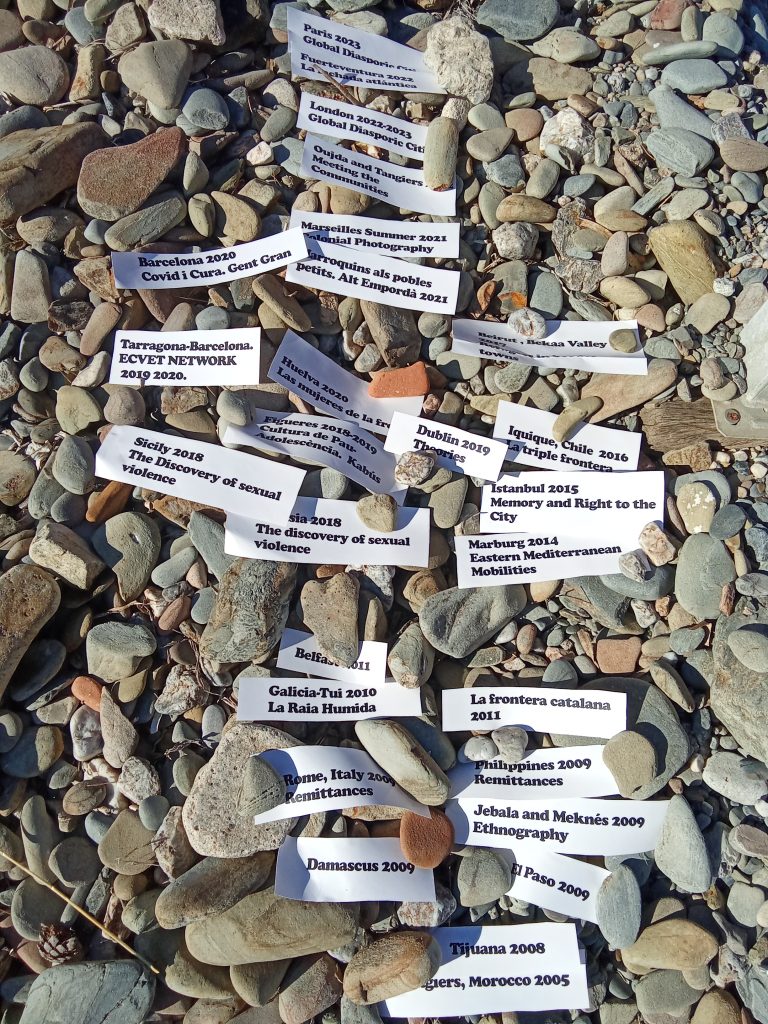
PART 5. CITIES – 16. Global Imperial Cities (London-Paris). 17. Border Cities in different regions. 18. Border Cities in Lebanon as an illustration. 19. Cosmopolitan cities beyond nostalgia. 20. Barcelona in the 70s: the origin of many questions.
PART 6. NEIGHBOURHOODS. – 21. Balat (Istanbul) as a small-scale illustration. 22. Old Damascus before the war as an illustration.
PART 7. RURALITIES – 23. Jebala (Morocco) as an iconic fieldwork. 24. The Province of Huelva (Spain) in pandemic times. 25. Alt Empordà: The Banian (taking roots).
PART 8. CONCLUSIONS – Closing Routes: “From La Font de la Pòlvora to La Font Rovellada”
📨 Contact : n.ribasmateos[at]gmail.com
📍 Lieux : Espace Philippe Séguin et Maison méditerranéenne des sciences humaines et sociales
Partager sur
Lire aussi