Playful mediation: a new gap between the museum and its visitors?
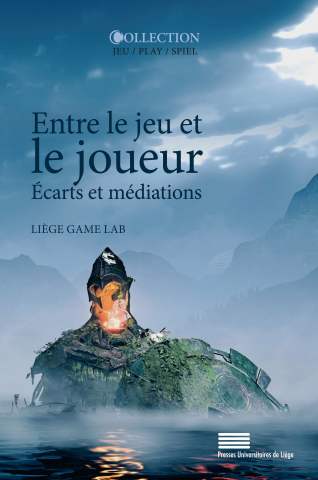
From Nicolas Doduikbook chapter BETWEEN THE GAME AND THE PLAYERPresses universitaires de Liège, 2023, p. 287-308
In the museum field, professionals and observers generally consider that cultural content is never immediately accessible. It is precisely the role of "cultural mediation" to add a mediating element between cultural content and its receivers, to support its reception. However, a certain discourse on the immediacy of the ludic experience finds echoes in the museum world: games are sometimes promoted as a way of immediately appropriating cultural content. This article looks at two games created at the Mucem (Musée des Civilisations de l'Europe et de la Méditerranée), a national public museum in Marseille. Based on participant observation and interviews with museum professionals, it examines the relevance of using games as mediation tools. It shows that, paradoxically, games that are supposed to make it easier for non-expert visitors to take in museum content can actually make it more complex, by requiring new forms of mediation due to the playful and museum-related codes that need to be mastered in order to use these objects. This conclusion qualifies the supposed immediacy of the play experience, and the ability of museum games to bridge the gap between the museum and its audiences...
Available at in open access
See the complete leaflet reference on HAL
Share on
Read also